
Estate and Legacy Planning Winchester
The right funds, the right hands, the right time.
“Inheritance Tax is a voluntary levy paid by those who distrust their heirs more than they dislike the Inland Revenue” – Roy Jenkins
Estate and legacy planning and wealth management is not just about saving inheritance tax, important though that is to many people. It is basically about getting the right money into the right hands at the right time.

The most important question is how much wealth will you need to protect your own lifestyle (and that of your widow/er) for the rest of your life/ lives. That requires careful financial planning, which is the starting point for our advice with every client.
You can then work out how much surplus wealth, if any, you may have now or at some time in the future, to achieve your legacy goals.
Then you can consider what you would like that wealth to achieve. Think in terms of results- the people you want to benefit and the effect on their lives you want to achieve.
It’s vital to get the right ownership and control structures in place to achieve this, and of course to save tax where possible. Getting the right wills and trusts properly drawn up by good lawyers is something we’ve helped our clients achieve over many years. We have excellent working relationships with some great firms of lawyers and of course we can very easily work closely with your existing lawyer if you choose.
It all begins with a conversation, so contact us to talk about it.
Book a consultation
with Martin Strutt.
Talk to our Financial Planners about how to improve and plan for your financial future. Our Financial Planners:
- Put the client first – in our office when we discuss a particular issue for a client the most clarifying question we ask is “if we were the client what would we do in this situation?”
- Fierce independence – our only criteria for working with service providers and other professionals is that they deliver great solutions for our clients at a competitive price (even when at some inconvenience to ourselves)

Select Appointment

Just one phone number
What happens in the event of your death, or your spouses? We often find one spouse tends to deal with the finances and the other isn’t particularly involved. This can cause a lot of stress and difficulty for the spouse who isn’t used to running finances at already difficult time.
There are several small details and practicalities that can be forgotten about that can have big impacts. Firstly, will the spouse have access to enough short-term cash in their name? Bank accounts of a deceased person are frozen on death until probate is granted, which can take months. Do they know what assets are owned, where important paperwork (certificates etc) is stored and what to do with it?
For clients of Collingbourne Wealth Management, their spouses/children/executors only need one phone number – ours. We know our clients’ financial position better than anyone and have copies of all the important documents (such as wills and trusts) that will be needed.
More importantly we can guide people through the financial aspect of their lives at a difficult and emotional time. For spouses, they have the security and peace of mind that their finances are in hand and we are on top of everything. For children/executors we can offer assistance and guidance through the process of administering an estate and how to handle funds afterwards.
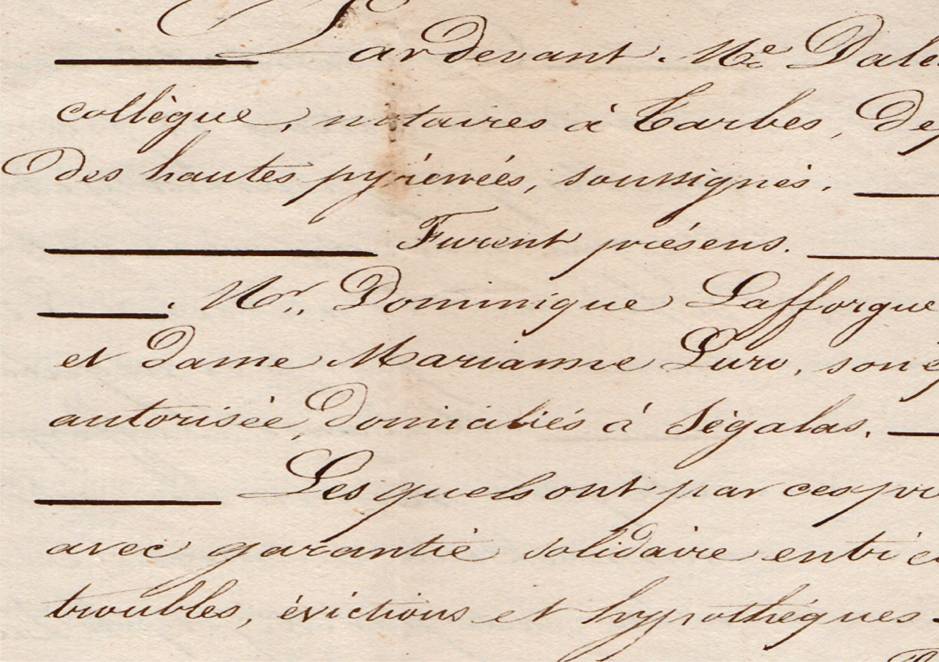
Wills
Wills are essential to ensure your wishes are carried out on your death. It is particularly crucial for parents of minor children to ensure the correct guardianship in the event of both their deaths, not just for sorting finances.
If you don’t have a will the rules of intestacy dictate how your assets are distributed. There is a very good chance that this is not how you would choose to leave your estate.
Certain assets are not directed by wills, such as those jointly owned (which automatically pass to the surviving owner) and pensions (which are usually directed by a separate nomination).
It is important to review wills to ensure they continue to work for your – changes in your circumstances (financial or otherwise), attitudes or in legislation could make a will inappropriate.

Lasting Powers of Attorney (LPAs)
Whereas wills help ensure your wishes are followed on your death, LPAs can help ensure they are should you lose mental capacity. They are an important but underused area of planning that can be crucial in ensuring your finances and wellbeing are always protected.
There are two types of Lasting Power of Attorney; financial and health & wellbeing. The government website is very good for guiding you through the process of completing these documents, but you may wish to take professional guidance before making certain decisions, such as who is made attorney (or replacement attorney) and what powers they are given.

Trusts
Almost everyone will need the above two documents, whereas the need for trusts will depend on personal and financial circumstances. They are more likely to be required with larger and/or more complex estates.
Trusts can allow control to be retained by yourself or legal representatives, which maybe advantageous for a number of different reasons. Trusts can assist with bloodline planning ensuring assets end up in the right hands and can potentially protect capital from various threats over time (e.g. from being squandered or lost in divorce/creditor cases) for future generations (e.g. grandchildren). Trusts can also be usefully for intergenerational inheritance tax planning, where children may have large estates of their own.
Finally, trusts can also allow certain rights to income and capital to be retained, which can be useful when making lifetime gifts for inheritance tax planning.
Have a question about financial planning?
Use this form to send us a message or use the button to book a free Zoom meeting.


